
The Visibility Paradox
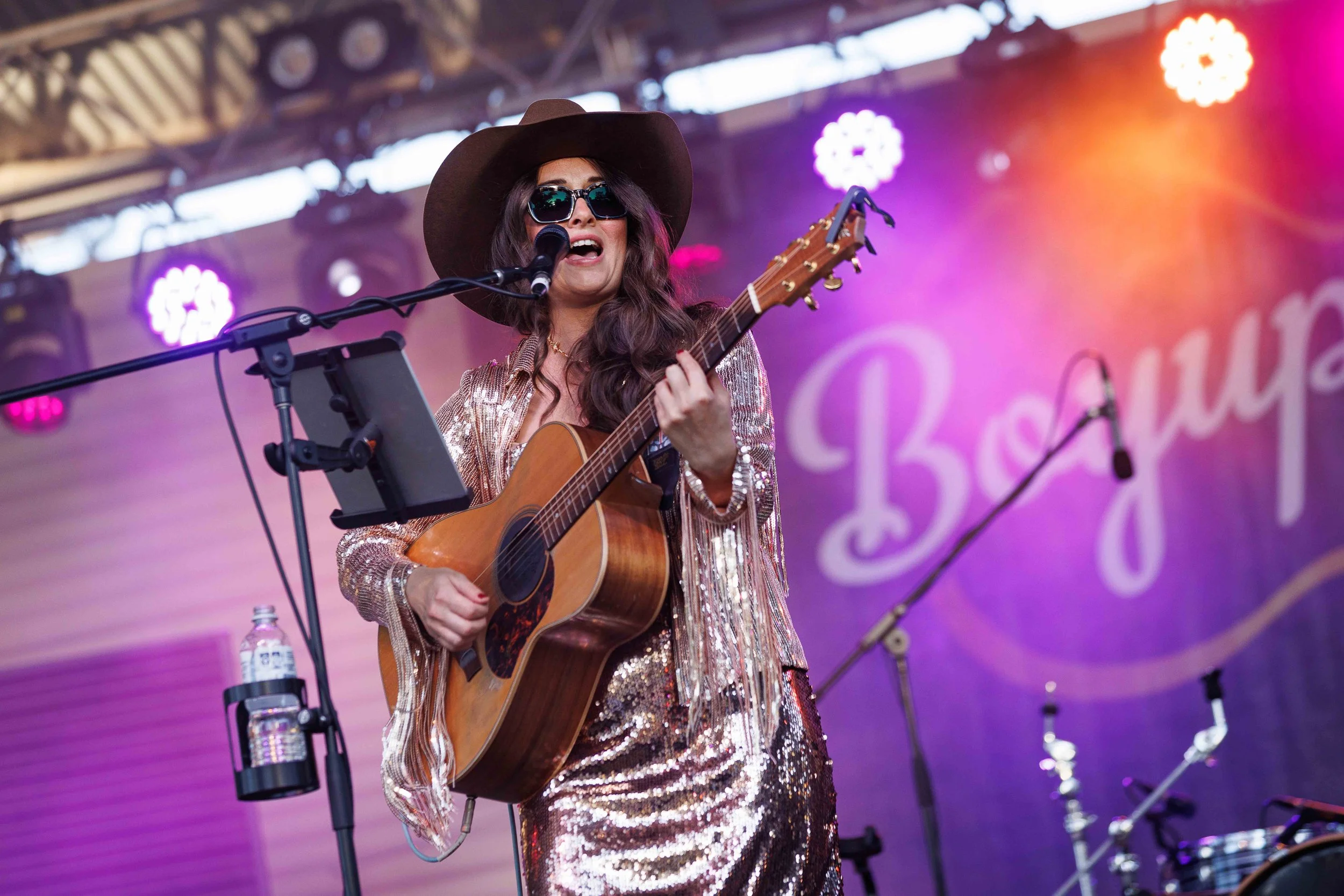
Hiding in Plain Sight
Being seen on stage while your nervous system wants to disappear
People often assume that if you’re a singer, if you stand on a stage in front of people, you must be confident, loud, fearless.
The truth is, I’m shy.
I always have been.
Standing on a stage doesn’t mean the fear isn’t there. It doesn’t mean my body feels safe. It just means I’ve learned how to stand beside the fear. Sometimes sing through it. Sometimes push past it when every part of me would rather stay small, quiet, unseen.
Trauma changes the way visibility feels.
When you’ve experienced sexual assault, your relationship with being seen, heard, or noticed can become complicated. What once felt neutral, attention, presence, a room full of eyes, can start to feel unsafe. Your nervous system learns that being visible can come with consequences. That having a voice, a body, a presence can invite harm.
So even when your soul wants to express itself, your body may pull the handbrake hard.
There’s also grief in not feeling like yourself anymore.
Since my assault, my body has changed. I’ve put on weight. My nervous system has been through breakdowns, survival modes, illness, long stretches of simply trying to get through the day. I don’t always recognise myself, in the mirror, in photos, on stage.
And yet, I still have to put myself out there.
That’s a particular kind of vulnerability people don’t often talk about, standing in front of others when you don’t feel like yourself, when you don’t look like the version of you that feels familiar or comfortable. When your confidence used to live in your body, and now your body feels like unfamiliar territory.
It can be deeply upsetting.
There are moments where I’m singing and simultaneously holding compassion for myself, reminding myself that this body carried me through trauma, through nervous and mental breakdowns, through survival. That healing doesn’t always look neat. That weight gain can be protection, not failure. That gentleness is not weakness.
But that compassion doesn’t erase the sadness. Or the discomfort. Or the ache of being seen when you’d rather hide until you feel “better” again.
Burnout weaves its way through all of this.
Burnout doesn’t always look like collapse. Sometimes it looks like showing up anyway. Like being professional. Reliable. Smiling. Delivering. While inside, you’re running on empty. While your body is asking for rest, privacy, softness — and your commitments keep asking you to be on.
As a performer, there’s an unspoken expectation that you’ll override yourself. That you’ll rise above how you feel. That you’ll push through discomfort because that’s what strong or dedicated people do.
But when trauma lives in the body, pushing through comes at a cost.
There are nights where I sing while quietly managing anxiety. Nights where I’m emotionally tender, hormonally wrecked, or deeply tired, and the audience would never know. There are moments on stage where I feel both powerful and incredibly vulnerable at the same time. Seen and exposed. Brave and scared.
And often, no one knows what it takes just to be there.
This isn’t a complaint.
It’s an acknowledgment.
Of the invisible labour of healing while remaining visible. Of the courage it takes to keep choosing expression when hiding would feel safer. Of the compassion required to stand on a stage in a body that’s changed, with a nervous system that’s still learning safety.
Trauma doesn’t mean you don’t want to be seen. Often, it means you do, but only if it’s safe. Only if you can stay intact. Only if you don’t have to abandon yourself to do it.
I’m learning that strength isn’t just about pushing through. Sometimes it’s about listening. About pacing. About letting yourself be human instead of heroic. About choosing visibility on your own terms, even when it’s messy, even when it hurts.
If you’re someone who looks confident on the outside but is doing a lot of regulating, grieving, and self-soothing on the inside, you’re not weak. You’re not broken. You’re not failing.
You’re healing in public.
And sometimes, simply standing there, breathing, singing, staying present in a body that has carried you through hell, is an act of deep, quiet bravery.